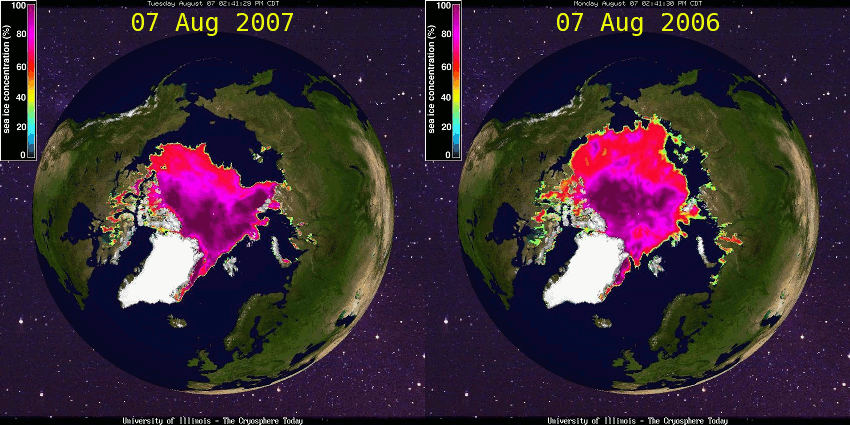
"An interesting thought occurred as I scrambled on. It's quite possible that no one else has seen multi-year sea ice (ice that's thick enough to survive the summer) in this state before. The summer of 2007 saw the biggest Arctic melt ever recorded - more than half the pack ice disappeared completely, and if things continue at this rate, there won't be any multi-year ice left in a few years' time. There will come a point, equally, when it's impossible to reach the North Pole on foot. The consensus among the experts at Eureka was that the ice on the Canadian side this year was more fractured than they'd ever seen before. Right now, camped on a modestly-sized flat bit of ice, surrounded by towering ridges, that's not a very comforting thought. I feel a bit like a mouse curled up in a rusty car-crusher, hoping it won't creak and rumble into action tonight. Hopefully things will improve tomorrow, as I can't take many more days this tough."
It seems so undescribable for an individual to experience the effects of global warming and a melting ice cap so completely first hand. I can't imagine how piercing the impact had to have been on Ben, seeing as it has affected all his readers so startlingly. One of the comments included this link to a NASA report on last summer's unprecedented ice melting, a "23-percent loss in the extent of the Arctic's thick, year-round sea ice cover." Even though it was cut short, his mission does great things for spreading awareness about the seriousness of this issue. The fact that he and all the many people involved with his expedition were so taken by surprise by the ice's state just goes to show how we are still so far from comprehending the damage that we are capable of wreaking on our planet.